
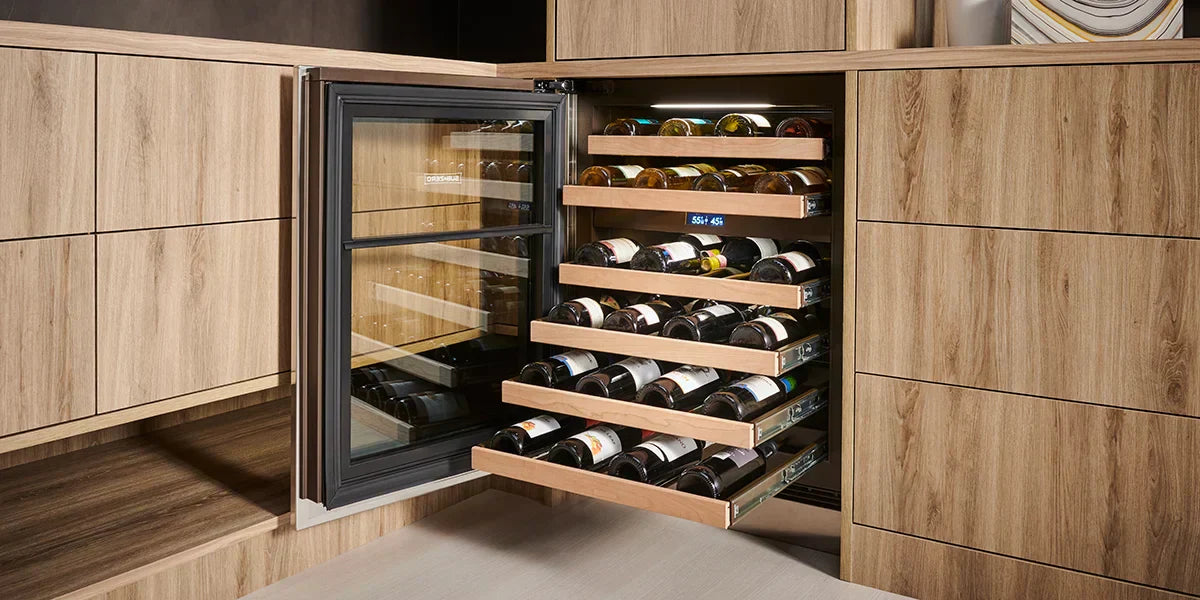
Are you a wine lover who wants to preserve the quality and flavor of your wine collection? Then you understand the importance of the right storage cabinet. In this article, you'll discover the difference between a wine cooler and a wine refrigerator, so you can make the best choice for storage and serving. From temperature control to climate management, we'll guide you through everything you need to know for an optimal wine experience in 2026.
What is a wine cooler?
A wine cooler is a specialized storage system that preserves wine under optimal conditions. The device maintains a stable temperature and the correct humidity, essential for long-term storage and aging of wine. Thanks to advanced compressor technology and digital controls, a wine cooler protects wine from harmful influences such as UV light and temperature fluctuations, allowing each bottle to tell the story it deserves.
What is a wine cooler?
A wine cooler is designed to store wine chilled within a single temperature zone. These coolers focus primarily on cooling and often don't include comprehensive climate control as standard. Unlike wine coolers, they offer less protection against fluctuations in humidity and temperature, but are ideal for short-term storage and immediate serving.
Main differences between wine coolers and wine refrigerators
Temperature control and zones
The biggest difference lies in temperature control. Wine coolers typically offer a single temperature zone, suitable for a single type of wine. Wine coolers are available in single-zone, dual-zone, and even multi-zone models, allowing you to store different wines under their ideal climate conditions. These multi-zone systems guarantee consistent temperatures in each zone, significantly improving the quality and aging of red, white, or sparkling wines.
Humidity and climate control
Wine coolers also regulate humidity, a crucial factor in keeping corks in good condition and preventing oxidation. Wine coolers typically lack this function, allowing corks to dry out and wine to spoil more quickly. With the right humidity, a cooler keeps your wine at the perfect storage temperature and protects it from drying out and harmful environmental factors.
Protection against light and vibrations
UV light accelerates the deterioration of wine quality. Wine coolers feature UV-protective glass and effective vibration dampening, which minimizes disruptive vibrations. This not only helps preserve flavor and aroma but is also essential for the long-term storage of a valuable collection. Wine coolers offer less protection against this, making them less suitable for long-term storage.
Temperature warming function
A wine cooler often has a built-in heating element, essential in unheated spaces to maintain a stable temperature. This is a significant difference from wine coolers, which lack a warming function. This feature makes coolers more versatile and reliable for various storage locations, from cellars to kitchens.
Ease of use and operation
Wine coolers are equipped with intuitive control panels and digital controllers that precisely adjust the temperature and humidity. Advanced compressor technology and vibration dampening also ensure minimal noise pollution. Wine coolers are simpler to operate but lack such advanced features, which are the advantages of coolers in terms of ease of use and comfort.
Capacity and space optimization
Typically, wine refrigerators offer storage for a few dozen bottles, while wine coolers range from compact models to those that can hold hundreds. With adjustable shelves and multiple compartments, coolers optimize space, whether built-in or freestanding. This makes them suitable for both small collections and valuable, large wine collections.
Investing in a wine cooler: when and why?
Are you investing in a small collection and primarily want to store wines for a short period? Then a wine refrigerator will suffice. However, if you have a valuable collection or want to invest in long-term storage and optimal aging, then a wine cooler is essential. These storage cabinets create controlled conditions that safeguard the quality of your wines and contribute to a refined wine experience—perfect for the serious wine lover.
What can be stored in a wine cooler?
A wine cooler can store various types of wine: red, white, rosé, and sparkling wines. Each type has its ideal storage temperature and humidity. Cooling cabinets with multiple temperature zones are perfect for simultaneously storing different wine types at their peak, so they're always ready to be served at their best.
How does a wine cooler work?
A wine cooler operates with precise temperature control via thermostats and hygrometers that monitor humidity. The integrated compressor provides cooling, while a built-in heating mechanism prevents temperatures from dropping in cold rooms. Good insulation and air circulation ensure a stable indoor climate, essential for preventing damage from temperature fluctuations and drafts.
How much does a wine cooler cost in electricity?
A wine cooler consumes an average of between 100 and 250 kWh per year, depending on its size and usage. This power consumption is slightly higher than that of simple wine coolers, but it's efficient thanks to modern compressor technology. Size, insulation, and frequent door opening significantly impact energy consumption.
Top brands and models of wine coolers
Well-known top brands like Dunavox, Norcool, and PeVino offer both single-zone and dual-zone wine coolers with advanced features. Models range from compact 20-bottle coolers to large built-in systems for over 150 bottles. Compare reviews and technical specifications to choose the one that best suits your needs and space.
Tips for the correct installation and maintenance of your wine cooler
Place your wine cooler in a cool, draft-free location out of direct sunlight. Good insulation and adequate ventilation around the appliance will improve performance. Regularly cleaning the filters and checking the settings will maintain optimal storage conditions and extend the life of your cooler, ensuring your wine stays in consistently perfect condition.
Serving wine from a wine cooler: tips for the best wine experience
Serve wine directly from the cooler at the right temperature for each wine type. For dual-zone coolers, choose the right temperature zone—for example, cooler for white wine and slightly warmer for red wine. This enhances the taste experience and ensures your wines are presented at their best, a perfect ending to your wine pairing.
To share:
The History of the Wine Climate Cabinet