
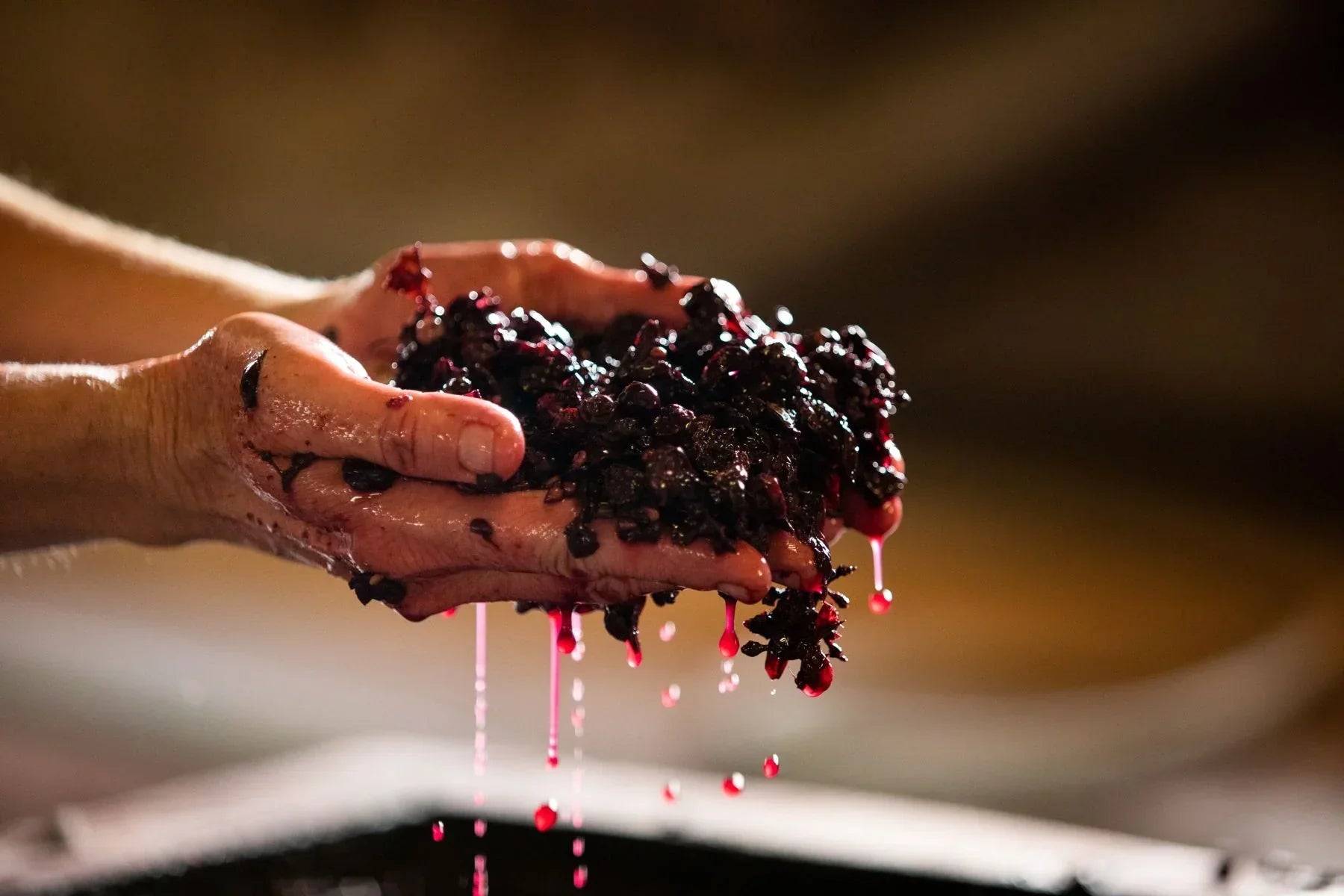
Red wine is one of the oldest and most refined alcoholic beverages in the world. The process of transforming grape into full-bodied, complex wine is both art and science. From the selection of grape varieties to fermentation, aging, and bottling, every detail influences the taste, color, and aroma of the wine. This guide covers the complete process of red wine production and the key factors that determine whether a wine becomes simple, elegant, or complex.
Grape varieties and Terroir
The foundation of red wine begins with the grape. Well-known grape varieties include Cabernet Sauvignon, Merlot, Pinot Noir, Syrah/Shiraz, Tempranillo, and Malbec . Each grape has unique characteristics in terms of sugar content, acidity, tannins, and aromas.
The terroir — a combination of soil, climate, altitude, sunlight, and rainfall — strongly influences the quality of the grapes. Cool climates generally yield lighter wines with higher acidity and fresh aromas, while warm climates produce fuller wines with riper tannins and fruitier flavors. Soil types such as limestone, clay, or gravel influence the minerality and structure of the wine.
Grape Harvest
Harvesting can be done manually or mechanically. Manual harvesting is often used for quality wines because it allows for selective picking of ripe grapes and limits damage to the grapes. Mechanical harvesting is faster and more efficient for large volumes, but can result in crushed grapes and more undesirable tannins or bitterness.
Timing is crucial. Grapes are harvested when sugar content (Brix), acidity, and phenolic ripeness are optimal. Harvesting too early results in overly acidic wines, while harvesting too late leads to excessive alcohol and a loss of freshness.
Discomfort and Bruising
After the harvest, the grapes are sorted to remove rotten or damaged ones. Next, destemming takes place, during which the stems are removed. In some red wines, a portion of the stems is retained to provide extra tannins and structure.
Afterwards, the grapes are lightly crushed so that the juice is released but the seeds remain intact. Breaking the seeds too much can result in bitter tannins.
Fermentation
Fermentation is the process by which sugars in grape juice are converted into alcohol and carbon dioxide by natural or added yeasts. This process is crucial for the color, aroma, and structure of the wine.
In red wine, fermentation always takes place together with the skins. The skins contain anthocyanins, which give the wine its red color, and tannins, which provide structure and aging potential. Fermentation can take place in stainless steel tanks, concrete vats, or oak barrels, depending on the desired character of the wine.
Temperature control is essential. Temperatures that are too high (above 30°C) can destroy aromas, while temperatures that are too low can slow down or stop fermentation. The temperature for red wine is often between 24 and 28°C.
Maceration
During fermentation, maceration takes place: contact of the juice with the skins, seeds, and sometimes stems. This process influences the color intensity, tannin content, and complexity of the wine.
For light wines such as Pinot Noir, maceration is shorter (5–7 days), while for powerful wines such as Cabernet Sauvignon, maceration can last 2–4 weeks. Modern techniques such as pigeage (submerging the cap of skins) and pumping over ensure optimal extraction of color and tannins.
Pressing
After fermentation, the solid components are separated from the liquid. The wine is pressed to extract the remaining juice from the skins. The first juice, the free-run wine , is usually lighter and more elegant, while pressed wine contains more tannins and is more powerful. Winemakers can blend both components to create balance.
Aging
Red wine usually ages in oak barrels, stainless steel tanks, or a combination thereof. Oak adds aromas such as vanilla, toast, coffee, or spices and softens tannins through slow oxidation.
Aging can vary from a few months to several years. Short aging yields fresh, fruity wines, while longer aging provides complexity, softer tannins, and a richer mouthfeel. Some wines are subsequently bottled without filtering or clarification for extra depth and texture.
Bottling and Refinement
After aging, the wine is bottled. Bottling can take place under neutral atmospheres, such as nitrogen, to prevent oxidation. Some wines undergo further aging in the bottle before being released onto the market.
During bottling, minimal filtration is often applied to ensure clarity. Naturally formed sediments in the bottle may indicate traditional, unfiltered wine production.
Factors Influencing Taste
-
Grape variety and ripeness : influences sugar, acidity, and aroma.
-
Terroir : soil, climate, and altitude give unique minerality and structure.
-
Fermentation and maceration : determine color, tannins, and complexity.
-
Aging : oak and time provide aromas and softness.
-
Mixing wine varieties : blending can provide balance and consistency.
Common Mistakes in Red Wine Production
-
Incomplete fermentation due to temperature problems or poor yeast selection.
-
Maceration that is too long or too short, causing the wine to become too bitter or too light.
-
Insufficient aging causing tannins to remain harsh or unpleasant.
-
Poor storage or bottling resulting in oxidation.
Popular Styles of Red Wine
-
Light and fruity : Pinot Noir, Gamay
-
Medium-bodied : Merlot, Sangiovese, Tempranillo
-
Full and powerful : Cabernet Sauvignon, Syrah, Malbec
-
Aged wines : Bordeaux blends, Barolo, Rioja Gran Reserva
Conclusion
Making red wine is a complex process that requires meticulous attention to every step: from grape selection, harvest, fermentation, maceration, pressing, aging to bottling. Every decision influences taste, structure, and aroma. By understanding this process, both winemakers and consumers can better appreciate the diversity and nuances of red wine.
The proper management of temperature, fermentation, maceration, and aging results in high-quality wines that can be both fresh and fruity as well as complex and elegant. Whether it is a young Pinot Noir or a full-bodied Bordeaux blend, knowledge of the production process is the key to fully experiencing red wine.
To share:
The Champagne Cooler vs. Champagne Climate Cabinet: Complete Guide to Storing and Serving Champagne
Storing white wine: the ultimate guide for every enthusiast