
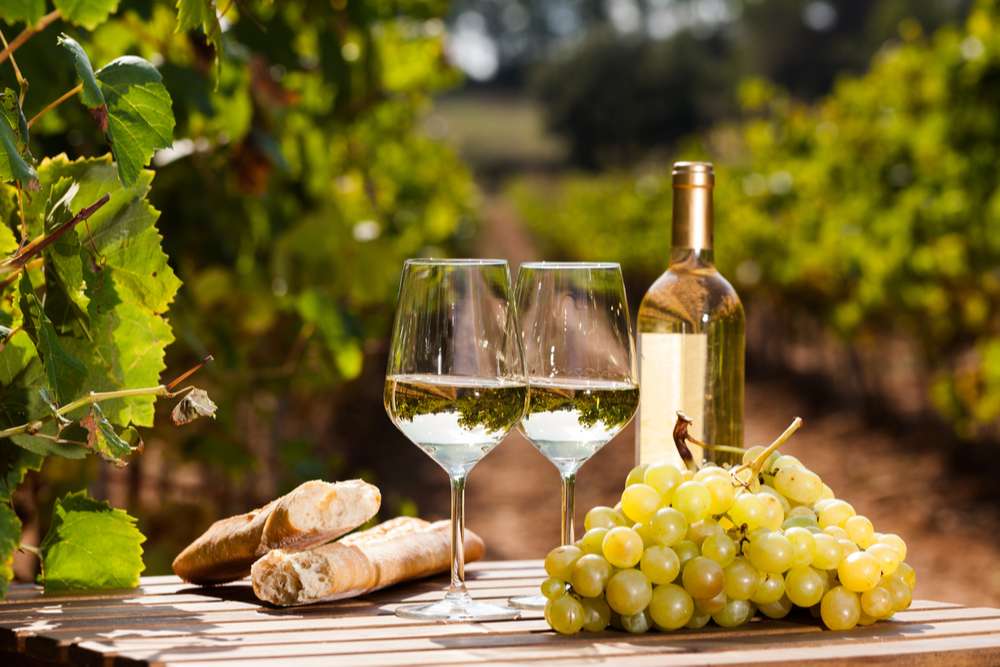
White wine is loved for its fresh aromas, fruity flavors, and versatility with food. However, storing white wine is a delicate art. Storage errors can lead to oxidation, loss of flavor, or unwanted changes in color and aroma. Whether you are a novice wine lover or a seasoned collector, this guide tells you everything you need to know about storing white wine, from the correct temperature to storage techniques and serving tips.
Why storing white wine is important
White wine is more delicate than red wine. The delicate balance between acidity, fruitiness, and aroma can quickly be lost with improper storage. Proper storage ensures that your wine:
-
Retains its full flavor and aroma
-
Stays fresh longer
-
Offers the optimal drinking experience every time
Oxidation is the biggest risk. When white wine comes into contact with oxygen, phenols, esters, and acids react, causing fruity notes to fade and sometimes creating bitter or musty aromas. Oxidation is accelerated by heat, light, and vibrations, making proper storage crucial.
Temperature: the key to perfect storage
A constant, correct temperature is essential for white wine. Fluctuations can disrupt the aging process and affect aromas.
Light, fresh wines such as Sauvignon Blanc and Pinot Grigio are best stored at 7 to 10 degrees Celsius. Full-bodied, oak-aged wines such as Chardonnay and Viognier remain optimal at 10 to 13 degrees Celsius. Sweet dessert wines such as Sauternes or Riesling feel most comfortable at 8 to 12 degrees Celsius. Temperature stability is important; fluctuations of more than five degrees can accelerate the wine's aging or cause unpleasant flavors.
Humidity and cork management
A moist cork prevents air from entering the bottle, while a dry cork accelerates oxidation. The ideal humidity is between 60 and 75 percent. Air that is too dry causes the cork to shrink and allows air to enter, while air that is too humid can cause mold around the cork. Corks are ideal for long-term storage, while screw caps are suitable for shorter periods, such as a few months to a year.
Protection from light and vibrations
Direct sunlight or UV radiation breaks down aroma molecules in white wine and can change its color. Therefore, store wine in a dark cabinet, cellar, or wine cooler with UV protection. Vibrations disturb sediment and accelerate chemical reactions, changing aromas. Avoid storing near appliances such as washing machines or refrigerators.
Storing white wine after opening
Once a bottle of white wine is opened, oxidation begins immediately. Storing it in the refrigerator at 5 to 7 degrees Celsius slows down this process. Use a wine stopper or vacuum pump to remove air from the bottle. Light wines remain good for about two to three days, full-bodied wines for three to five days, and dessert wines sometimes for five to seven days. Oxidation can affect phenols and esters in the wine, causing fruity aromas to fade and bitter notes to emerge.
Storage methods
A wine refrigerator offers a stable environment with constant temperature, humidity, and protection from light. This is ideal for both short- and long-term storage. A natural cellar is suitable for larger quantities of wine. Here, temperature and humidity often remain stable, and it is sustainable and energy-efficient, although it can be more difficult to control during extreme heat or dryness. Wine bottles are best stored horizontally to keep the cork moist. Vertical storage is only suitable for shorter periods.
Long-term storage of white wine
Not all white wines are suitable for years of storage. Light wines such as Sauvignon Blanc, Pinot Grigio, and Muscadet are usually short-lived, lasting about one to three years. Full-bodied oak-aged wines such as Chardonnay, Riesling, and Sauternes can be stored for five to ten years or longer, provided they are stored under the right conditions. Factors such as grape variety, aging process, acid and sugar content, and storage conditions determine the ultimate shelf life.
Storing white wine by grape variety
Sauvignon Blanc is light and fresh with high acidity. Store this wine at 7 to 10 degrees Celsius. Short shelf life: one to three years. After opening, the wine remains optimal for two days in the refrigerator.
Chardonnay can be full-bodied and oak-aged. Store at 10 to 13 degrees Celsius. These wines have a long shelf life, five to eight years. After opening, they remain good for three to five days when chilled.
Riesling can be sweet or dry and has a high acidity. Store at 8 to 12 degrees Celsius. Long shelf life: five to ten years. After opening, the wine remains good for five to seven days.
Sauternes is a dessert wine with high sugar content. Store at 8 to 12 degrees Celsius and keep the wine well sealed. Long shelf life: ten years or longer. After opening, the wine remains good for five to seven days.
Pinot Grigio / Pinot Gris is light and fruity with medium acidity. Store at 7 to 10 degrees Celsius. Short shelf life: one to three years. After opening, the wine remains good for two to three days.
Optimize serving temperature
A well-stored wine should be served at the right temperature for its aromas to fully develop. Light wines taste best between 8 and 10 degrees Celsius, full-bodied wines between 10 and 13 degrees Celsius, and sweet wines between 6 and 8 degrees Celsius. Never serve white wine directly from the freezer, as this suppresses the aromas.
Common mistakes when storing white wine
-
Storage near windows or kitchens where temperature fluctuations and light can damage the wine.
-
Storing upright for too long, causing corks to dry out and oxidation to occur.
-
Leaving open bottles for too long, causing loss of aroma and flavor.
Science behind wine preservation
White wine contains phenols, esters, and acids that react with oxygen and light. Creating a stable storage environment slows down chemical reactions and preserves the flavor. Phenols influence color and bitterness, esters provide fruity aromas, and acids protect against microbial spoilage.
Additional tips for collectors
-
Avoid storage in hot attics or damp cellars
-
Label bottles with purchase date
-
Use UV-resistant wine racks
-
Alternate between horizontal and slightly tilted for long-term storage
Conclusion
Properly storing white wine is essential for its taste, aroma, and drinking experience. Important guidelines include: constant temperature between 7 and 13 degrees Celsius depending on the type of wine, humidity of 60 to 75 percent, horizontal storage, protection from light and vibrations, and use of refrigeration and stoppers for opened bottles. By following these techniques, you will enjoy every bottle of white wine longer, from fresh Sauvignon Blanc to oak-aged Chardonnay or complex dessert wines. With this knowledge, you will always get the most out of your wine collection.
To share:
How Red Wine Is Made: From Grape to Bottle
Buying a wine cooler? Check out our guide and find out what suits you best.